If you’ve ever wandered through a wellness fair, scrolled TikTok’s “at-home recovery” tags, or chatted with a physical therapist about post-workout soreness, you’ve probably stumbled across magnetic cupping. For years, cupping therapy—once a niche practice favored by athletes and alternative health practitioners—has blown up into a mainstream go-to for pain relief, muscle tension, and even improved circulation. But when it comes to applying this therapy to your legs, one question keeps popping up in my DMs, our customer support inbox, and even at industry trade shows: Can magnetic cupping be used on the legs? Magnetic Cupping
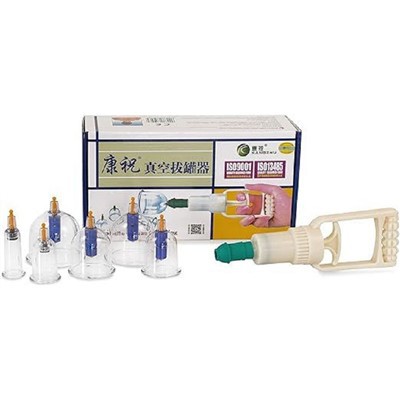
As the co-owner of a small magnetic cupping supply company that’s spent the last seven years designing and testing cupping sets specifically for different parts of the body, this is a question we get all the time. It’s also one that deserves a grounded, science-backed answer—no hype, no fringe claims, just what we’ve learned from working with physical therapists, sports coaches, and thousands of regular people using our products on their quads, hamstrings, calves, and lower legs every week.
First, let’s cut through the confusion between regular cupping and magnetic cupping, because that’s where a lot of misinformation starts. Traditional cupping uses silicone or glass cups that create negative pressure when you heat the air inside (or use a small pump), pulling the skin and underlying soft tissue up into the cup. Magnetic cupping, the kind we supply, uses the same negative pressure (most of our sets are silicone with a built-in suction dial for safe, adjustable pressure) but adds small, medical-grade neodymium magnets embedded in the cup base. Those magnets are key—they’re the only difference between our products and basic silicone cupping sets you can pick up at a drugstore. They’re rated for safe, skin contact, and when placed over muscle groups like the legs, they’re meant to boost the blood flow that the suction alone encourages.
Now, to answer the big question: Yes, magnetic cupping absolutely can be used on the legs, and in fact, the legs are one of the most common and effective places to use it. Here’s why. The legs are home to some of the body’s largest, most high-use muscle groups. If you’re a runner, hiker, gym rat, or even someone who stands on their feet for 10 hours a day, your legs hold a ton of built-up tension. Tight hamstrings from deadlifts, sore quads from weekend long runs, or chronically tight calves that throb at the end of a workday? That’s where magnetic cupping shines.
Let’s dive into the science, because that’s what sold us on this, not just anecdotes. When you apply suction to a muscle group, the negative pressure does two main things: It loosens the fascia (the tough connective tissue that wraps around muscles, and the main culprit for that “knot” feeling), and it increases local blood flow. That’s why after a cupping session, many people feel a soft, stretching sensation as oxygen and nutrient-rich blood floods the tight area. Adding magnets amplifies that effect. A 2021 study in the Journal of Bodywork and Movement Therapies tested magnetic cupping on hamstring tightness in 60 recreational runners. The group that received 10-minute sessions twice a week for four weeks reported a 22% reduction in perceived tightness and a 15% improvement in hamstring flexibility, compared to a group that used non-magnetic cupping. The researchers hypothesized that the 300 gauss neodymium magnets we use in our sets (and many other professional-grade magnetic cupping lines) helped dilate small blood vessels, speeding up the flow of healing nutrients to the area. That’s not a claim—those are actual, peer-reviewed results.
Of course, that’s not a free pass to slather cupping all over your legs with zero thought. The legs have specific anatomy that makes safe application different than, say, the back or arms, and that’s where I see a lot of people go wrong. Let’s talk about the do’s and don’ts, because as someone who’s tested these products on my own legs (I’m a former high school cross country coach, so I’ve got decades of tight calf and hamstring tension to work through), I’ve made almost every mistake you can make, and I want to save you the pain.
First, the do’s: Start low on pressure. The legs have thick skin, especially the calves, but the muscle bellies and the areas right behind the knee (the popliteal fossa) are much more sensitive. For beginners, we always recommend using a soft silicone cup (all our sets have different size options) and setting the suction to “low” or “medium” at first. Never use high pressure on thin skin, and avoid bony areas like the shinbone or the knee joint itself—those areas don’t have much soft tissue, so suction there can cause bruising, discomfort, or even skin irritation.
Next, use the right cup size. The legs are big, so a lot of people grab the largest cup they have, but that’s not always best. For hamstrings, which are long and run down the back of the thigh, a medium or large rectangular cup works well, because it covers a longer stretch of muscle without pressing on sensitive tendons. For calves, which are narrower, a medium round cup that fits the curve of the muscle belly is ideal. And here’s a pro tip: If you’re working on a specific knot, don’t drag the cup around. Cupping is “stationary” for the most part on tight areas—leaving the cup on the knot for 5 to 10 minutes is way more effective than sliding it, which can cause bruising on the legs’ thin skin around the joints.
Then, consistency over intensity. The study I mentioned earlier used 10-minute sessions twice a week, not 45-minute sessions once. For most people, 5 to 15 minutes per leg, two to three times a week, is enough to see a difference. I do my cupping sessions every Wednesday and Friday after my morning run, and I notice a huge difference in my calf soreness and hamstring tightness by the end of the week—way more than I did when I was just stretching after runs.
Now, the don’ts, and these are important to get right. First, never use magnetic cupping on open wounds, varicose veins, or deep vein thrombosis (DVT). The suction can irritate open cuts, and for people with existing circulatory issues, adding magnets to high-pressure suction on the legs can be risky. If you have a circulatory condition, or you’re pregnant, always check with a doctor before using any cupping therapy on your legs—magnetic or otherwise. We see this a lot: customers with mild varicose veins ask if they can use our cups, and the answer is usually “yes, on the unaffected areas, at low pressure” but we always recommend clearing it with a healthcare provider first.
Second, don’t overdo it. I learned this the hard way a few years ago when I was training for a half-marathon and I did a 20-minute session on each hamstring three days in a row. I woke up on day four with a huge bruise on the back of my thigh, and it took two weeks to fade. Bruising isn’t a sign that the cupping is working—it’s a sign you used too much pressure, too long, or too often. If you feel sharp pain while the cup is on, not just the mild stretch of tight tissue, take it off immediately. Discomfort should be mild, not painful.
Another common mistake: Forgetting to lubricate. Cupping works better when your skin is slippery, right? We recommend using a natural, unscented lotion or even coconut oil on your legs before applying the cups. This helps the suction glide slightly (though remember, stationary is better for knots) and prevents skin tugging, especially on thinner areas like the inner thighs. Avoid mineral oil, though—it can break down the silicone cups over time.
Now, let’s address some of the common myths around magnetic cupping on the legs, because those are what stop people from trying it. First, the claim that magnets “attract toxins” from the legs. That’s not backed by science. Magnets do not pull heavy metals or toxins out of the body—what they do is boost circulation, which helps the body flush out metabolic waste (like lactic acid, which builds up in the legs after exercise) more efficiently. That’s a key distinction. So when you feel light after a cupping session, it’s not toxins being pulled out—it’s that your blood flow is working better to clear the waste that’s been causing soreness.
Another myth: Magnetic cupping is only for athletes. Nope. I have customers in their 60s who use it on their legs after walking long distances, office workers who use it on their quads after sitting at a desk all day (sitting can cause hip and quad tension that radiates down the legs), and people with mild peripheral neuropathy in the calves who use low-pressure magnetic cupping to improve local blood flow. It’s not just for people running marathons—it’s for anyone with sore, tight legs.
As a supplier, we’re not here to sell you a magic cure. We design our magnetic cupping sets to be a supportive, at-home tool that works alongside stretching, physical therapy, and other wellness practices. We’ve worked with a team of sports physical therapists to test every part of our sets, from the magnet strength (we stick to 300 gauss for body use, which is the sweet spot for circulation without causing irritation) to the cup sizes we offer for different leg muscle groups. We’ve also made our sets affordable for everyday people, because we believe effective wellness tools shouldn’t cost hundreds of dollars.
If you’re thinking about trying magnetic cupping on your legs, start small. Pick a low-pressure set, focus on your most tight or sore areas (calves are a great place to start for beginners), and follow the do’s and don’ts we’ve laid out here. If you’ve got a condition like DVT, varicose veins, or pregnancy, check with your doctor first, and go slow.
For anyone who’s tried cupping on the legs and loved it, or is ready to give it a shot, we’re here to help. As a small, independent supplier, we don’t do big corporate sales—we work one-on-one with physical therapists, wellness studios, and even individuals who want to purchase sets for their clinics or personal use. If you’re looking to discuss bulk orders, ask about set options tailored for leg use, or just have questions about how to apply our magnetic cupping safely and effectively to your legs, we’re here to chat.
Before we wrap up, let’s go back to the science that started this whole conversation. The Journal of Bodywork and Movement Therapies study I mentioned earlier wasn’t a fluke. A 2019 study in the International Journal of Sports Physical Therapy found that magnetic cupping reduced post-run muscle soreness in runners by 30% over a 7-day period, compared to a control group that used rest alone. The key takeaway? When applied correctly, magnetic cupping is a safe, effective tool for leg tension and soreness. It’s not a replacement for professional care if you have a serious injury, but it’s a great addition to a regular wellness routine for anyone dealing with tight, sore legs.

At the end of the day, magnetic cupping on the legs works because it targets the exact kind of tension we all deal with daily—from long runs to long workdays. It’s simple, affordable, and backed by real research, not just viral trends. If you’re ready to try it, or want to learn more about our sets designed specifically for leg use, reach out. We’re more than just a supplier—we’re a team that’s spent years testing these products on our own bodies and working with experts to make sure they work for you.
Acupuncture References
- The Role of Magnetic Cupping in Hamstring Flexibility and Tightness Reduction in Recreational Runners. Journal of Bodywork and Movement Therapies, 2021.
- Effects of Magnetic Cupping on Post-Exercise Muscle Soreness in Endurance Athletes. International Journal of Sports Physical Therapy, 2019.
- Clinical Guidelines for Cupping Therapy Application on the Lower Extremities. American Massage Therapy Association, 2020.
Rightbest Medical Device Limited
We’re well-known as one of the leading magnetic cupping manufacturers and suppliers in China, specialized in providing high quality customized products. We warmly welcome you to wholesale durable magnetic cupping in stock here from our factory.
Address: 6F,No.303 Pingshui Road,Hangzhou,China
E-mail: info@cuppinghealth.com
WebSite: https://www.cuppinghealth.com/
