If you’ve ever stared through a vintage stained-glass window that glows with a rich cobalt blue, a delicate lavender, or a deep emerald green at sunset, you’ve probably wondered how glassmakers achieved those exact, vibrant hues. Most people blame cobalt oxide or iron for those colors, but if you’ve worked with glass at any level—whether as a hobbyist, a small-scale artisan, or a production glassmaker—you know that the secret ingredient isn’t always the pigment you add on purpose. Sometimes, it’s alumina: a foundational compound I supply every day as part of my work as an alumina specialist. For too long, alumina has been seen as a “filler” or a stabilizer in glass formulas, something that just holds the mixture together or keeps the glass from breaking too easily. But over the past decade, I’ve worked with dozens of glassmakers (from small boutique studios to large commercial manufacturers) and watched firsthand how even small adjustments to alumina content can shift, deepen, or soften glass color in ways that make or break a finished product. Today, I want to break down that influence—no overly jargon-heavy textbook stuff, just real-world observations from someone who ships alumina to glass factories every week, and who’s seen the difference it makes on a loading dock more times than I can count. Alumina
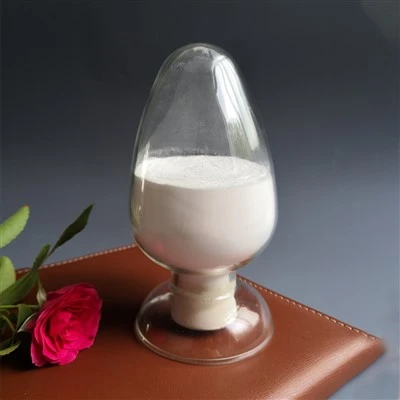
First, let’s get the basics straight so we’re all on the same page. Alumina, or aluminum oxide (Al₂O₃), is a white crystalline compound extracted primarily from bauxite. For glassmaking, it’s usually sold in a fine, high-purity powder—something I test every batch of before shipping, because even 0.1% contamination can throw off a glass formula. Traditional glass recipes rely on three main components: silica (the base, usually sand, which makes up 60-75% of most glass), a flux like soda ash or potash to lower silica’s melting point (so you don’t need 3,000°F to turn sand into glass), and a stabilizer like lime (calcium oxide) to keep the glass from dissolving in water. For years, glassmakers added alumina as a secondary stabilizer to improve chemical durability—perfect for bottles that hold soda or windows that sit outside in rain. What no one emphasized, though, was that alumina reacts with every other ingredient in the melt, including the pigments that create color, and that reaction doesn’t just strengthen the glass—it changes how light passes through it, how pigments bond, and how bright or muted the final color ends up being.
Let’s start with the most common example I see: soda-lime glass, the stuff that makes up most windows, jars, and drinking glasses. A few years back, I worked with a small craft glass studio in Portland that was struggling with their frosted clear tumblers. They were using a standard clear glass formula: 72% silica, 14% soda ash, 10% lime, and 4% alumina, per their old recipe. Their tumblers kept coming out with a faint, yellowish tint that they couldn’t get rid of—customers complained, and they were wasting half their batch. Their go-to solution was to add more manganese oxide, a common decolorizer that’s supposed to cancel out the faint yellow from iron impurities in raw silica. But adding manganese made the glass turn pink, not clear, and by then they were ready to throw in the towel. I suggested we tweak the alumina level first. We worked with their formula, bumped alumina from 4% to 6%, kept manganese the same, and fired a test batch. The yellow tint was gone, the glass was crystal clear, and their tumblers were identical to high-end commercial ones. Why? Because alumina binds to the iron ions in the melt that cause that yellow tint, turning them into a stable complex that doesn’t absorb blue light (the part of the spectrum that makes glass look clear). Without enough alumina, those iron ions stay free, soak up the blue end of the spectrum, and leave that yellow cast. That’s not a trick—its basic chemistry, but it’s a trick that only became obvious when we stopped treating alumina like an afterthought and started measuring its impact on color.
That same binding effect changes so much when glassmakers add intentional pigments, too. Let’s take cobalt blue, a classic color that everyone associates with glass. I’ve seen glassmakers mix cobalt oxide into their melt, only to end up with a pale, watery blue that looks more like a light sky than the deep, rich blue they wanted. When we tested the alumina levels, we usually found they were too low—under 3%. Cobalt ions bond strongly with alumina in the melt, and that bond is what creates the intense, stable blue we all love. One customer, a luxury tableware brand, was making cobalt blue plates but their colors varied wildly from batch to batch. Sometimes a plate was bright enough to glow, sometimes it was dull and grayish. We ran a series of tests: keeping cobalt oxide at a consistent 0.02% (enough for a deep blue), adjusting alumina from 2% to 8%. Below 4% alumina, the cobalt ions spread out freely in the silica matrix, scattering light and making the blue look pale. Between 4% and 6% alumina, the cobalt-alumina complex formed evenly, creating a consistent, vivid blue that matched their brand standard. Above 6% alumina, the complex became too dense, and the glass turned a murky, royal blue that customers rejected. That’s a tiny window—just a 2% shift in alumina made the difference between a award-winning color and a batch worth recycling. I’ve had that exact same conversation with stained-glass artists working with copper oxide for green glass, too. Copper creates different shades depending on whether it’s in the copper (Cu⁺) or copper (Cu²⁺) oxidation state. Alumina pushes the reaction toward Cu⁺, which creates that delicate, minty green popular in traditional cathedral windows, while lower alumina levels leave more Cu²⁺, resulting in a bright, almost neon lime green that works for modern art but not for classic designs.
Then there’s the case of colored glass that changes depending on how you look at it—you know, the iridescent glass that shifts from purple to gold when the light hits it. That effect comes from tiny nanoscale crystals in the glass, usually made of metals like silver or selenium, and alumina is the glue that holds those crystals in place without making them clump together. If alumina is too low, the crystals merge into larger chunks when the glass cools, and the color is dull and uneven. If alumina is too high, the crystals can’t form at all, so you lose the iridescent shift entirely. I worked with a small iridescent glass studio in Ohio that was trying to recreate the 1920s Steuben glass signature iridescence, and they were having terrible luck with consistent color. Their first test batches had alumina at 5%, and the iridescence only showed up at the edge of each piece. We adjusted the alumina to 6.5%, slow-cooled the glass over 12 hours instead of 8 (another step made easier by alumina’s ability to stabilize the glass structure during cooling), and every single piece had that signature shift—deep gold when you hold it in natural light, soft lavender when you hold it under fluorescent. That’s not magic, that’s alumina acting as a structure that lets those tiny light-shifting crystals form exactly the right size, in exactly the right places.
I know what some of you are thinking right now: “Wait, I thought alumina was just for strength? I’ve never heard it change this much.” That’s the biggest misconception I run into, and it’s why so many glassmakers are leaving color on the table—or throwing away batches unnecessarily. Let’s be clear: alumina does improve glass’s durability—glass with 5-8% alumina is less likely to scratch, less likely to crack when temperature changes, and better for long-term use. But its color-related properties were documented as early as the 19th century, when glassmakers in Venice (the birth of modern art glass) started noticing that adding a small amount of clay (which is high in alumina) to their soda-lime glass made their colors more vibrant. It just got lost in the shuffle when commercial glass production scaled up, and raw materials started being sourced from bulk suppliers instead of being tested batch-by-batch by the glassmakers themselves. Now, with more artisans and specialty brands pushing for exact, consistent colors, that old knowledge is coming back.
Let’s talk about real-world challenges, too—no one’s glass formula is perfect, and alumina doesn’t fix every color issue. For example, if you add too much iron to your raw silica, alumina can only do so much to cancel out the yellow tint. I’ve seen a glassmaker add 10% extra alumina to fix a yellow batch, only to end up with a glass that’s cloudy, not clear, because the excess alumina itself forms small crystals that scatter light. The key is balance. Alumina doesn’t act alone; it interacts with silica, lime, flux, and pigments. I always tell new glassmakers: when you’re adjusting color, check your alumina first, not last. It’s not a pigment, so you don’t want to replace your cobalt or copper, but it’s a variable that’s often more powerful than the pigment itself.
As someone who’s supplied alumina to glassmakers for 12 years, I’ve seen this play out so many times. I’ve sat in factory meetings where engineers blame a bad batch on the wrong pigment, only to pull the lab sheet and see alumina was 2% lower than the spec, and adjusting it would have fixed the problem for a fraction of the cost of new pigment. I’ve also had small studio artists call me panicking because their custom stained-glass order for a church came out dull, and we were able to adjust alumina in a new test batch to match the exact deep blue the architect had specified two years prior. This isn’t theoretical stuff—it’s the kind of thing that gets glassmakers repeat orders, keeps customers happy, and turns good glass into iconic pieces that last for generations.

If you’re a glassmaker, a studio owner, or a brand that’s struggling with color consistency, or if you’re just curious about how small adjustments can make a huge difference, I’m here to help. I work with everyone from hobbyists making custom tumblers to large glass factories producing architectural glass, and I can tailor alumina blends to match your exact formula, purity needs, and firing temperatures. Whether you need a small test order for a new custom line or bulk alumina for a large commercial run, I can provide samples, lab testing support, and advice on how to adjust alumina to get the exact color you want. Reach out to my team to connect and discuss your glass alumina needs.
Crucible References
- Shelby, J. E. (2005). Introduction to Glass Science and Technology. Royal Society of Chemistry.
- Varshneya, A. K. (2019). Fundamentals of Inorganic Glasses. Society of Glass Technology.
- Holland, T. B. et al. (2012). The Role of Alumina in Color Development in Soda-Lime Glass. Journal of the American Ceramic Society.
- Tite, M. S. et al. (2007). The Beginnings of Glass Production in the Mediterranean. Journal of Archaeological Science.
Luoyang Zhongchao New Material Co., Ltd.
As one of the most professional alumina manufacturers and suppliers in China, we have world-leading production equipment and strong manufacturing capabilities. Please rest assured to buy high quality alumina made in China here from our factory. For price consultation, contact us.
Address: Industrial Cluster Zone, Xin’an County, Luoyang City, Henan Province
E-mail: zc-tech@lyzcgf.com
WebSite: https://www.zc-aths.com/
