Hey there! I’m a supplier of dry type transformers, and today I wanna chat about the inspection items for these bad boys. Dry type transformers are super important in a whole bunch of electrical systems, and making sure they’re in tip – top shape is crucial. So, let’s dive right in! Dry Type Transformer

Visual Inspection
First off, we’ve gotta do a good visual check. This is like giving your transformer a once – over to spot any obvious issues.
Physical Damage
Look for any signs of physical damage on the transformer’s enclosure. Cracks, dents, or scratches can be a big red flag. A cracked enclosure might let in moisture or dust, which could lead to all sorts of problems down the line. For example, if there’s a crack near the ventilation area, it could mess up the airflow and cause the transformer to overheat.
Terminal Connections
The terminal connections are another key part to inspect. Make sure they’re tight and free from corrosion. Loose connections can cause arcing, which not only wastes energy but can also lead to a fire hazard. And corrosion on the terminals can increase resistance, making the transformer work harder and potentially reducing its lifespan.
Ventilation Openings
Check the ventilation openings. These are super important for keeping the transformer cool. If they’re blocked by dirt, debris, or even critters’ nests, the heat won’t be able to escape properly. You can use a soft brush or compressed air to clean out any blockages gently. A blocked ventilation system can cause the temperature inside the transformer to skyrocket, leading to insulation breakdown and possible failure.
Electrical Insulation Resistance Test
This test is a big deal. It helps us figure out the condition of the transformer’s insulation.
How It Works
We use a megohmmeter to measure the insulation resistance between the windings and the ground. A high insulation resistance value is a good sign, indicating that the insulation is in good condition. On the other hand, a low value could mean there’s moisture in the insulation, damage to the insulation material, or some other problem.
Why It Matters
Good insulation is essential for preventing electrical leakage and short – circuits. If the insulation resistance is too low, it can lead to electrical faults, which can disrupt power supply and even cause damage to other equipment in the electrical system.
Turns Ratio Test
The turns ratio of a transformer is the ratio of the number of turns in the primary winding to the number of turns in the secondary winding.
Measuring the Turns Ratio
We use a turns ratio tester to measure this. By comparing the measured turns ratio with the rated turns ratio, we can tell if there are any issues with the windings. A significant deviation from the rated value could mean there’s a short – circuit or an open – circuit in one of the windings.
Importance of the Turns Ratio
The turns ratio determines the output voltage of the transformer. If the turns ratio is off, the output voltage won’t be what it’s supposed to be, which can cause problems for the equipment connected to the transformer. For example, if the output voltage is too high, it could damage sensitive electronic devices.
No – Load Test
The no – load test helps us understand the core losses of the transformer.
Conducting the Test
We apply the rated voltage to the primary winding while keeping the secondary winding open – circuited. Then we measure the input current and power. The power consumed during this test is mainly the core loss, which includes hysteresis loss and eddy – current loss.
What the Results Mean
If the core losses are higher than normal, it could indicate problems like a damaged core or incorrect core lamination. High core losses not only waste energy but can also cause the transformer to heat up more than it should.
Load Test
The load test is all about seeing how the transformer performs under actual operating conditions.
Setting Up the Test
We connect a load to the secondary winding and gradually increase the load until it reaches the rated value. While doing this, we measure the input and output voltages, currents, and power.
Analyzing the Results
The results of the load test can tell us a lot about the transformer’s efficiency, voltage regulation, and ability to handle the load. If the voltage regulation is poor, it means the output voltage varies too much with changes in the load. And low efficiency means the transformer is wasting energy.
Temperature Rise Test
This test is crucial for understanding how the transformer behaves under continuous operation.
Monitoring the Temperature
We run the transformer at its rated load for a certain period and monitor the temperature of the windings and the core. The temperature rise should be within the limits specified by the manufacturer.
Why Temperature Matters
Excessive temperature rise can accelerate the aging of the insulation material, reducing the transformer’s lifespan. It can also cause the transformer to malfunction or even fail.
Oil Analysis (if applicable)
Some dry type transformers may have oil – filled components, and in such cases, oil analysis is important.
Sampling the Oil
We take a sample of the oil and analyze it for various parameters such as moisture content, acidity, and the presence of contaminants.
What the Analysis Tells Us
High moisture content in the oil can reduce its insulating properties. Acidity can indicate oxidation of the oil, which can also affect its performance. And contaminants in the oil can cause wear and tear on the internal components of the transformer.
Sound and Vibration Inspection
Listening to the transformer and checking for vibrations can also give us some clues about its condition.
Normal vs. Abnormal Sounds
A normal transformer usually makes a low – level humming sound. If you hear any strange noises like buzzing, crackling, or rattling, it could be a sign of a problem. For example, a buzzing sound might indicate loose parts inside the transformer, while a crackling sound could be due to arcing.
Vibration Analysis
Excessive vibration can also be a problem. It could be caused by unbalanced magnetic forces, loose mounting, or mechanical problems. Monitoring the vibration levels can help us detect these issues early.
So, there you have it! These are the main inspection items for a dry type transformer. By regularly inspecting and maintaining these transformers, we can ensure their reliability and performance, and avoid costly breakdowns.
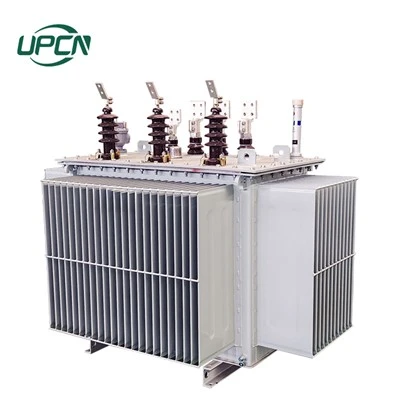
If you’re in the market for a high – quality dry type transformer or need more information about our products, don’t hesitate to reach out. We’re here to help you find the perfect solution for your electrical needs. Whether you’re a small business or a large industrial facility, we’ve got the right transformer for you. Let’s have a chat and see how we can work together!
Dry Type Transformer References:
- Electrical Power Equipment Maintenance and Testing Handbook
- Transformer Engineering: Design, Technology, and Diagnostics
Henan Union Power Construction Group Co., Ltd.
As one of the most professional dry type transformer manufacturers and suppliers in China, we have world-leading production equipment and strong manufacturing capabilities. Please rest assured to buy customized dry type transformer at competitive price from our factory.
Address: 701, Unit 1, Building 23, Phase II, Jindai Smart Industry Park, No. 17 Wenzhi Road,Guancheng Hui District, Zhengzhou City, Henan Province, P. R. China
E-mail: unionpower66@gmail.com
WebSite: https://www.unionpowertransformer.com/
