As a supplier of XPS Extruded Polystyrene Board, I often encounter inquiries from customers about the board’s performance under various environmental conditions. One of the most frequently asked questions is whether XPS Extruded Polystyrene Board is resistant to ultraviolet (UV) radiation. In this blog post, I will delve into this topic, exploring the scientific aspects of XPS board’s UV resistance, its implications for different applications, and how to ensure its long – term performance. XPS Extruded Polystyrene Board
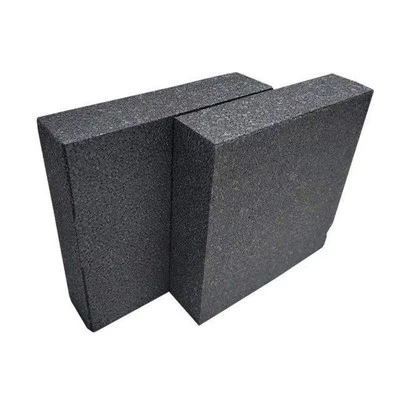
Understanding XPS Extruded Polystyrene Board
XPS Extruded Polystyrene Board is a rigid insulation material that is widely used in the construction industry. It is produced through an extrusion process, which gives it a closed – cell structure. This structure provides excellent thermal insulation properties, high compressive strength, and good moisture resistance.
The closed – cell structure of XPS board consists of a large number of small, uniform cells that are filled with a gas. These cells act as barriers, preventing the transfer of heat and moisture. The high density of the board also contributes to its strength, making it suitable for use in a variety of applications, including roofing, wall insulation, and under – floor insulation.
The Impact of Ultraviolet Radiation on Polymers
Ultraviolet radiation is a part of the electromagnetic spectrum with wavelengths ranging from 10 to 400 nanometers. It is present in sunlight and can cause significant damage to many polymers, including polystyrene.
When polymers are exposed to UV radiation, several chemical reactions can occur. The high – energy UV photons can break the chemical bonds in the polymer chains, leading to a process called photodegradation. This can result in a number of physical and chemical changes in the material, such as discoloration, embrittlement, loss of mechanical properties, and reduced durability.
In the case of polystyrene, UV radiation can cause the formation of free radicals, which can react with oxygen in the air to form peroxides. These peroxides can further break down the polystyrene chains, leading to a decrease in molecular weight and a loss of the material’s integrity.
Is XPS Extruded Polystyrene Board Resistant to Ultraviolet Radiation?
The short answer is that XPS Extruded Polystyrene Board is not inherently resistant to UV radiation. As mentioned above, the polystyrene in the XPS board is susceptible to photodegradation when exposed to UV light for extended periods.
When XPS board is directly exposed to sunlight, it will start to show signs of degradation over time. The board may become discolored, typically turning yellow or brown. The surface may also become brittle and start to crack, which can compromise its thermal insulation properties and mechanical strength.
However, the rate of degradation depends on several factors, including the intensity and duration of UV exposure, the thickness of the board, and the presence of any additives. For example, in regions with high levels of sunlight and long exposure times, the degradation process will be faster compared to areas with less sunlight.
Protecting XPS Extruded Polystyrene Board from UV Radiation
Although XPS board is not UV – resistant, there are several ways to protect it from the harmful effects of UV radiation.
1. Coating
Applying a protective coating to the XPS board can significantly enhance its UV resistance. There are various types of coatings available on the market, such as paint, epoxy coatings, and polymer – based coatings. These coatings act as a barrier, preventing UV radiation from reaching the polystyrene material.
For example, a high – quality acrylic paint can provide good protection against UV rays. The paint should be applied evenly to the surface of the board, and multiple coats may be required for optimal protection.
2. Covering
Another effective way to protect XPS board is to cover it with a UV – resistant material. This can include materials such as roofing membranes, siding, or insulation boards with a built – in UV – resistant layer.
In roofing applications, for example, XPS board is often covered with a roofing membrane. The membrane not only protects the XPS board from UV radiation but also provides additional waterproofing and weather resistance.
3. Burying or Concealing
In some cases, XPS board can be buried or concealed within the structure to avoid direct UV exposure. For example, in under – floor insulation applications, the XPS board is installed beneath the floor slab, where it is protected from sunlight.
Applications and Considerations
The UV resistance (or lack thereof) of XPS Extruded Polystyrene Board has important implications for its applications.
1. Roofing
In roofing applications, XPS board is commonly used as insulation. However, it must be protected from UV radiation. As mentioned earlier, a roofing membrane is typically used to cover the XPS board. It is important to ensure that the membrane is properly installed and maintained to provide long – term protection.
2. Wall Insulation
For wall insulation, XPS board can be installed on the interior or exterior of the wall. If installed on the exterior, it should be covered with a cladding material, such as siding or stucco, to protect it from UV rays. Interior installation eliminates the need for UV protection but may require additional considerations for moisture management.
3. Under – Floor Insulation
Under – floor insulation is one of the most suitable applications for XPS board in terms of UV exposure. Since the board is buried beneath the floor slab, it is protected from sunlight. However, proper installation and moisture control are still crucial to ensure its long – term performance.
Ensuring the Quality of XPS Extruded Polystyrene Board
As a supplier, I understand the importance of providing high – quality XPS Extruded Polystyrene Board. To ensure the quality of our products, we follow strict manufacturing processes and quality control measures.
We use high – grade raw materials and advanced extrusion technology to produce XPS boards with consistent quality. Our boards are tested for various properties, including thermal insulation, compressive strength, and moisture resistance, to ensure that they meet or exceed industry standards.
In addition, we offer technical support and advice to our customers on how to properly install and use our XPS boards, including how to protect them from UV radiation.
Conclusion

In conclusion, XPS Extruded Polystyrene Board is not inherently resistant to ultraviolet radiation. However, with proper protection measures such as coating, covering, or burying, it can be used effectively in a variety of applications.
Foamed Ceramic Molding As a supplier of XPS Extruded Polystyrene Board, I am committed to providing high – quality products and comprehensive support to our customers. If you are considering using XPS board in your construction project, and you have any questions or need more information about its UV resistance and applications, please feel free to contact us. We would be delighted to discuss your requirements and help you find the best solution for your project.
References
- ASTM International. (Year). Standard Test Methods for Thermal Performance of Building Materials and Envelope Assemblies.
- Building Science Corporation. (Year). Insulation and Moisture Management in Buildings.
- Polymer Science textbooks addressing the effects of UV radiation on polymers.
Shanxi Rongshengchang Trading Co., Ltd.
As one of the most professional xps extruded polystyrene board suppliers in China, we’re featured by quality products and good price. Please rest assured to buy premium xps extruded polystyrene board for sale here from our factory. Welcome to view our website for more information.
Address: No.1602, 16th Floor, Unit 4, Building 13, Pingyang Jingyuan, No.65 Pingyang Road, Pingyang Road Street, Xiaodian District, Shanxi Province, China
E-mail: postmaster@rongshengchang.com
WebSite: https://www.rongshengchang.com/
