As a supplier of hydraulic valve blocks, I’ve witnessed firsthand the critical role these components play in the efficient operation of hydraulic systems. A well – installed hydraulic valve block can significantly enhance the performance, reliability, and safety of a hydraulic setup. In this blog, I’ll delve into the installation requirements for a hydraulic valve block in a hydraulic system. Hydraulic Valve Block

1. Environmental Considerations
The first step in installing a hydraulic valve block is to assess the environment where it will be placed. The operating environment can have a profound impact on the performance and longevity of the valve block.
Temperature
Hydraulic systems are sensitive to temperature variations. Extreme temperatures can cause the hydraulic fluid to change its viscosity, which in turn affects the operation of the valves. For instance, in cold environments, the fluid may become too viscous, leading to slow valve response times. On the other hand, high temperatures can cause the fluid to thin out, resulting in leaks and reduced system efficiency.
When installing a valve block, it’s essential to ensure that the ambient temperature is within the recommended range for the hydraulic fluid and the valve block itself. If the environment is prone to extreme temperatures, additional measures such as insulation or cooling systems may be required.
Humidity and Moisture
Humidity and moisture can also pose a threat to the hydraulic valve block. Moisture can cause corrosion of the valve block’s metal components, leading to leaks and premature failure. It can also contaminate the hydraulic fluid, which can damage the valves and other system components.
To prevent moisture – related issues, the installation area should be dry. If the environment is humid, a dehumidifier may be used. Additionally, the valve block should be properly sealed to prevent moisture ingress.
Dust and Contamination
Dust and other contaminants can enter the hydraulic system and cause damage to the valve block. Particles can clog the valves, preventing them from operating correctly. They can also scratch the internal surfaces of the valve block, leading to leaks.
The installation area should be clean and free of dust. During the installation process, it’s important to keep the valve block and the hydraulic lines covered to prevent contamination. Filters should also be installed in the hydraulic system to remove any contaminants that may enter the system.
2. Mounting Requirements
Proper mounting of the hydraulic valve block is crucial for its stable operation.
Surface Flatness
The surface on which the valve block is mounted must be flat. A non – flat surface can cause uneven stress on the valve block, leading to leaks and premature failure. Before mounting, the surface should be inspected and, if necessary, machined to ensure a flat finish.
Mounting Bolts
The valve block should be securely fastened to the mounting surface using the appropriate bolts. The bolts should be tightened to the specified torque to ensure a proper seal. Over – tightening the bolts can damage the valve block, while under – tightening can result in leaks.
Vibration Isolation
Hydraulic systems generate vibrations during operation. These vibrations can cause the valve block to loosen and damage its internal components. To prevent this, vibration isolation mounts can be used. These mounts absorb the vibrations and prevent them from being transmitted to the valve block.
3. Hydraulic Line Connection
The connection of hydraulic lines to the valve block is a critical aspect of the installation process.
Line Size and Compatibility
The hydraulic lines used should be of the correct size and compatible with the valve block. Using lines that are too small can restrict the flow of hydraulic fluid, leading to reduced system performance. On the other hand, using lines that are too large can result in excessive fluid volume and increased pressure losses.
The fittings used to connect the lines to the valve block should also be compatible. They should be properly sized and have the correct thread type. Incorrect fittings can cause leaks and damage to the valve block.
Line Routing
The hydraulic lines should be routed in a way that minimizes bends and kinks. Bends and kinks can restrict the flow of hydraulic fluid and cause pressure losses. The lines should also be secured to prevent them from moving during operation.
Leak Testing
After the hydraulic lines are connected to the valve block, a leak test should be performed. This involves pressurizing the system and checking for any leaks at the connections. Any leaks should be immediately addressed by tightening the fittings or replacing the seals.
4. Electrical Connections (if applicable)
Some hydraulic valve blocks are equipped with electrical components such as solenoids. If this is the case, proper electrical connections are essential.
Wiring
The wiring used for the electrical components should be of the correct gauge and insulation. The wires should be properly routed and secured to prevent them from being damaged.
Grounding
The electrical components of the valve block should be properly grounded. This helps to prevent electrical interference and ensures the safe operation of the system.
Testing
After the electrical connections are made, the electrical components should be tested to ensure they are functioning correctly. This involves applying power to the solenoids and checking their response.
5. Fluid Compatibility
The hydraulic fluid used in the system must be compatible with the valve block.
Fluid Type
Different valve blocks are designed to work with specific types of hydraulic fluids. Using the wrong type of fluid can cause damage to the valve block and other system components. For example, some valve blocks are designed to work with mineral – based fluids, while others are compatible with synthetic fluids.
Fluid Cleanliness
The hydraulic fluid should be clean and free of contaminants. Contaminated fluid can cause the valves to stick and damage the internal surfaces of the valve block. A filtration system should be installed in the hydraulic system to maintain the cleanliness of the fluid.
6. System Integration
The hydraulic valve block must be integrated into the overall hydraulic system correctly.
Pressure and Flow Requirements
The valve block should be selected based on the pressure and flow requirements of the hydraulic system. Installing a valve block that is not capable of handling the system’s pressure and flow can lead to system failure.
Control Logic
The valve block should be programmed to operate according to the control logic of the hydraulic system. This involves setting the appropriate valve opening and closing times and pressures.
7. Maintenance Access
Easy access for maintenance is an important consideration during the installation of the hydraulic valve block.
Accessibility
The valve block should be installed in a location where it is easily accessible for maintenance and repair. This includes providing enough space around the valve block for technicians to work.
Component Replacement
The design of the valve block should allow for easy replacement of components such as valves and seals. This reduces the downtime of the hydraulic system during maintenance.
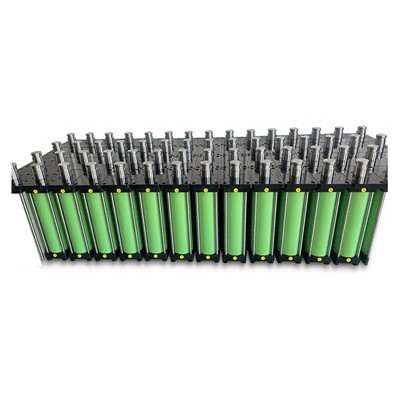
In conclusion, the installation of a hydraulic valve block in a hydraulic system requires careful consideration of various factors. By following these installation requirements, you can ensure the reliable and efficient operation of your hydraulic system.
Hydraulic System If you’re in the market for high – quality hydraulic valve blocks or need more information about their installation and maintenance, I’d be more than happy to assist you. Feel free to reach out to me for a detailed discussion and to explore how our products can meet your specific needs.
References
- "Hydraulic Systems and Fluid Power: Theory and Applications" by Fred Shearer
- "Fluid Power Technology" by David Crolla
Wuhu Zhongye Fluid Equipment Co., Ltd.
We are one of the most experienced hydraulic valve block manufacturers and suppliers in China, specialized in providing high quality customized products. Please feel free to wholesale bulk durable hydraulic valve block in stock here from our factory. Contact us for quotation.
Address: No. 2, Hexing Road, Sanshan District, Wuhu City, Anhui Province
E-mail: zhongyehydro20@163.com
WebSite: https://www.zhongyehydro.com/
