As a supplier in the crawler excavator industry, I’ve witnessed firsthand the diverse needs and preferences of our clients. One of the most common questions we encounter is about the differences between small – sized and large – sized crawler excavators. In this blog, I’ll delve into the key aspects that set these two types of excavators apart, helping you make an informed decision for your construction projects. Crawler Excavator
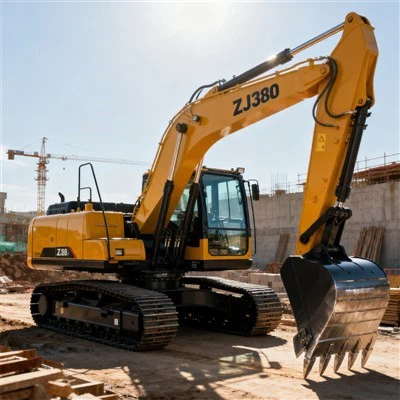
1. Physical Dimensions and Mobility
Small – sized crawler excavators are typically characterized by their compact design. They have a relatively small footprint, which allows them to operate in confined spaces such as narrow alleys, small construction sites in urban areas, or indoor renovation projects. For example, in a small backyard landscaping project, a small – sized crawler excavator can easily maneuver around trees, flower beds, and other obstacles. Their short turning radius makes them highly agile, enabling operators to change directions quickly without taking up much space.
On the other hand, large – sized crawler excavators are massive in size. They have a much larger undercarriage and boom, which gives them a more imposing presence on the construction site. While this size can be a drawback in tight spaces, it also provides stability and strength. Large – sized excavators are better suited for large – scale construction projects such as building highways, large commercial buildings, or mining operations. Their size allows them to handle heavy loads and perform tasks that require significant power.
2. Engine Power and Performance
The engine power of a crawler excavator is a crucial factor in determining its performance. Small – sized crawler excavators usually have engines with lower horsepower. This is because they are designed for lighter tasks such as digging small trenches, moving small amounts of soil, or performing light demolition work. Their engines are optimized for fuel efficiency, which is beneficial for projects with limited budgets or those that require long – term operation.
In contrast, large – sized crawler excavators are equipped with high – powered engines. These engines can generate a large amount of torque, allowing the excavator to handle heavy – duty tasks such as large – scale earthmoving, deep excavation, and lifting heavy materials. The high engine power also enables them to work at a faster pace, increasing productivity on large construction sites. For instance, in a large – scale mining project, a large – sized crawler excavator can quickly dig and load large quantities of ore, reducing the overall project time.
3. Digging Depth and Reach
Digging depth and reach are important considerations when choosing a crawler excavator. Small – sized crawler excavators have a limited digging depth and reach. They are suitable for shallow digging tasks, such as creating small foundations for residential buildings or digging small drainage ditches. Their shorter booms and arms restrict their ability to reach far distances or dig deep into the ground.
Large – sized crawler excavators, however, have a much greater digging depth and reach. They can dig deeper foundations for large commercial buildings, reach over long distances to load materials onto trucks, or perform deep excavation in mining operations. The longer booms and arms of large – sized excavators give them a significant advantage in terms of reach and digging capacity.
4. Lifting Capacity
Lifting capacity is another significant difference between small – sized and large – sized crawler excavators. Small – sized excavators have a relatively low lifting capacity. They are mainly used for lifting and moving small objects, such as small rocks, pipes, or construction materials in small quantities. Their lifting capacity is usually in the range of a few hundred kilograms to a couple of tons.
Large – sized crawler excavators, on the other hand, have a much higher lifting capacity. They can lift heavy objects such as large steel beams, pre – cast concrete elements, or large boulders. The lifting capacity of large – sized excavators can range from several tons to tens of tons, depending on the model and configuration.
5. Cost and Maintenance
The cost of purchasing and maintaining a crawler excavator is an important factor for many clients. Small – sized crawler excavators are generally more affordable to purchase. They require less initial investment, which makes them a popular choice for small construction companies or contractors with limited budgets. Additionally, their smaller engines and simpler designs result in lower maintenance costs. The parts are usually less expensive, and the maintenance procedures are relatively straightforward.
Large – sized crawler excavators, however, come with a higher price tag. The initial purchase cost is significantly higher due to their larger size, more powerful engines, and advanced features. Maintenance costs are also higher, as they require more frequent servicing, larger quantities of fuel, and more expensive replacement parts. However, in large – scale projects, the increased productivity and performance of large – sized excavators can offset the higher costs over time.
6. Operator Skill Requirements
Operating a crawler excavator requires a certain level of skill and training. Small – sized crawler excavators are generally easier to operate. Their compact size and simpler controls make them more accessible to novice operators. Training for small – sized excavators can be completed in a relatively short period, allowing new operators to quickly get up to speed.
Large – sized crawler excavators, on the other hand, require more advanced skills and experience. The larger size and more complex controls make them more challenging to operate. Operators need to have a good understanding of the machine’s capabilities, safety procedures, and how to handle heavy – duty tasks. Extensive training is usually required to ensure safe and efficient operation of large – sized excavators.
Conclusion

In conclusion, the differences between small – sized and large – sized crawler excavators are significant in terms of physical dimensions, engine power, digging depth and reach, lifting capacity, cost, and operator skill requirements. The choice between a small – sized and a large – sized crawler excavator depends on the specific needs of your construction project. If you are working on a small – scale project with limited space and budget, a small – sized crawler excavator may be the best option. However, for large – scale projects that require heavy – duty performance and high productivity, a large – sized crawler excavator is more suitable.
Asphalt Pavement Hot Recycling Repair Vehicle If you’re considering purchasing a crawler excavator for your project, I encourage you to reach out to us. Our team of experts can provide you with detailed information about our products, help you choose the right excavator for your needs, and offer competitive pricing. We are committed to providing high – quality crawler excavators and excellent customer service. Contact us today to start the procurement negotiation process and take your construction project to the next level.
References
- Construction Equipment Handbook: Crawler Excavators, published by a leading construction equipment industry association.
- Industry reports on crawler excavator performance and market trends.
- Technical manuals of various crawler excavator models.
Shandong Zhongjue Heavy Industry Co., Ltd.
We’re well-known as one of the most experienced manufacturers of crawler excavator in China. Please rest assured to buy cheap crawler excavator for sale here from our factory. All customized machines are with high quality and competitive price.
Address: Ninth Industrial Park, High tech Zone, Jining City, Shandong Province, China
E-mail: zhlzh0227@gmail.com
WebSite: https://www.cnzoomjet.com/
