If you’ve ever worked with Corten steel—whether you’re an architect, a landscaper, a fabrication shop owner, or someone who’s spent hours tracking down that perfect, weathered metal finish for a custom project—you know there’s a fine line between loving its rugged, rustic patina and hating the sharp, unsightly scratches that can mar it before it even fully weathers. As a Corten steel supplier who’s been in this game for over a decade, I’ve heard every frustration: “I scratched my custom fire pit moving it to the job site,” “Those shipping dents ruined the facade for the community plaza,” “The metal panels I stored outside got scuffed by a forklift and now they’ll need extra prep work.” Let me be clear: scratches on Corten steel aren’t just a cosmetic flaw. They can throw off the natural corrosion process that makes Corten what it is—creating uneven patches, delaying the patina formation, or even leading to long-term corrosion in some cases. Over the years, I’ve tested dozens of solutions, learned from hundreds of clients’ mistakes, and worked with metallurgists to figure out exactly what works (and what’s just a waste of time and money) to protect Corten steel from scratches. This isn’t just theory; it’s the real-world, on-the-job advice I’d give to a friend who’s navigating their first big Corten project. Corten Steel
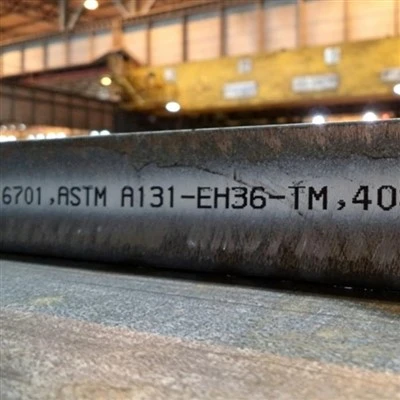
First, let’s get one thing straight: Corten is not stainless steel. It’s a weathering steel, designed to develop a stable, rust-like oxide layer (that’s the signature deep brown, orange, and reddish patina) when exposed to the elements. That layer is supposed to seal the steel underneath, preventing further corrosion. But when you scratch through that top layer—especially early on, before the patina is fully formed—you expose the raw, unoxidized steel beneath. That raw steel will corrode faster than the surrounding areas, leading to uneven color, blushing, or even pitting over time. So protecting it from scratches isn’t just about keeping it looking good; it’s about preserving its performance and lifespan. The best part? You don’t need fancy, expensive products to do it. Most of the solutions I recommend are things I’ve started keeping in our warehouse supply bins or even included as free tips in our product packing slips, after seeing how many clients skip this step and call us panicking when their first load arrives scratched.
Let’s start with the most basic (and often overlooked) step: handling and transportation. I’ve watched my own delivery teams load Corten panels onto flatbed trucks a hundred times, and I’ve seen new drivers try to stack them like regular steel—without separating each sheet, without using protective padding, without taking extra care around sharp edges. Corten is durable, but it’s not indestructible. The most common scratches I see are not from a job site accident; they’re from the trip from our warehouse to the jobsite. Last year, a landscaper client of ours ordered 20 8-foot Corten retaining wall panels, and when they arrived, two had deep, linear scratches from where another steel beam had been stacked on top of them during transit. The cost to fix those scratches? More than the price of a set of edge protectors, which we now sell for $10 a set and always suggest to first-time buyers. So here’s my rule for handling: every sheet or panel of Corten should be individually separated during transport and storage. What do I use to separate them? Thick, durable rubber edge protectors (the kind that’s designed for steel beams, not just random foam), felt pads, or even heavy-duty corrugated cardboard. Skip the bubble wrap—it tears too easily and leaves small indentations that can scratch if it shifts. For long-term storage (like if you’re stockpiling Corten for a project that’s still in the planning phase), don’t just leave it leaning against a wall on a dirt floor. Set it up on wooden pallets, cover it with a breathable tarp (not plastic—plastic traps moisture, which is another enemy of Corten), and if you’re stacking multiple sheets, add a layer of plywood between each one. I once had a client who stored 50 Corten garden screens in his warehouse for 6 months and didn’t separate them; when he went to install them, every screen had a grid of fine scratches where the metal rubbed against each other. Fixing that required sanding each panel, which stripped the early patina he’d been waiting for and added 3 days of labor to his install. Save yourself that headache—separate, pad, and elevate during storage and transport.
Next up, job site protection. This is where I see the most mistakes, especially from contractors who are used to working with regular steel or aluminum, and don’t realize Corten needs extra care. I recently consulted on a commercial plaza project where the architect specified 30 Corten planters. The construction crew finished the concrete foundation a week early, and instead of waiting for the planters to be delivered, they set them right on the fresh concrete—without any padding. By the time the planters arrived, the bottom edges of each had a scuff mark from the rough concrete, and when they were installed, those scuff marks didn’t corrode at the same rate as the rest of the metal, leaving gray, unsightly spots. The crew tried to sand them down, but that made the problem worse because they removed the top layer of steel that was starting to oxidize. So my advice for job sites: always protect the surface of Corten once it’s on site, whether it’s during install or before you start the final finishes. For small, portable pieces (like planters, fire pits, or metal art), we recommend a temporary protective film—specifically, low-tack, UV-resistant film designed for metal surfaces. Not all film is the same, by the way. I once tested a cheap film we bought from a hardware store, and after 2 weeks in the sun, it left a sticky residue on the Corten that took hours to clean off, and when we peeled it back, it had left fine scratches in the areas where the film had bonded. Stick to film that’s marketed for Corten steel or architectural metal—these have a special adhesive that won’t leave residue, even after months of sun exposure. For large, fixed panels (like facade cladding or large retaining walls), skip the film and use heavy-duty, breathable construction fabric. Don’t use canvas tarps or plastic—canvas can have rough threads that rub against the metal, and plastic traps moisture, leading to corrosion. The construction fabric I use is the same kind that’s used for protecting stone and glass on job sites; it’s lightweight, easy to cut to size, and doesn’t leave any marks when you remove it. And here’s a tip I learned the hard way: never leave tools, nails, or other metal debris on top of Corten panels while they’re exposed. A dropped hammer, a loose screw, or even a piece of steel wool can scratch the metal or leave metal particles that will cause rust stains later. One of our regular clients, a metal artist, now keeps a designated area for his tools when he’s working on Corten projects, and he swears by it—he hasn’t had a scratch on a piece in 3 years.
Now, what about if you already have scratches on your Corten? Because let’s be real—even with the best precautions, accidents happen. Maybe a forklift nicked a panel, or a crew member dragged a tool across a piece. You don’t have to panic and assume it’s ruined. I’ve fixed dozens of scratched Corten pieces, and most minor scratches (shallow, linear, no deep gouges) can be corrected without stripping the entire patina. First, assess the scratch: if it’s a surface scratch that’s only on the top oxidized layer, you can usually buff it out with a soft abrasive pad. Wait for the patina to be fully developed—usually 6 to 12 months after install, depending on your climate—before trying to buff. If it’s a deeper scratch that goes through the oxidized layer to the raw steel, you’ll need to address it carefully. Sanding the area lightly with fine-grit sandpaper (220 or 320 grit, not anything coarser) will smooth out the scratch, but be sure to feather the edges so you don’t leave a dull spot. Then, you can use a Corten-specific patina solution to re-oxidize that area so it matches the rest of the metal. I always caution clients against using regular rust remover or paint to cover scratches—paint will peel off Corten because the metal is constantly expanding and contracting with temperature changes, and regular rust remover will strip the good patina around the scratch. The patina solutions we supply (and recommend) are designed to match the natural corrosion process, so the repaired area will blend in seamlessly. For deeper gouges (more than 1/8 inch), you might need to do a small amount of welding, but that’s a job for a professional who’s experienced with Corten—bad welding can lead to uneven corrosion and structural issues, so it’s not something you want to DIY unless you know what you’re doing.
Another common question I get: is there a long-term coating that will protect Corten from scratches, without ruining its patina? The short answer is yes, but only if you pick the right coating. A lot of people hear “weathering steel” and assume it doesn’t need any coating, but if you’re using Corten in a high-traffic area (like a patio edge, a bench, or a guardrail) that’s going to get a lot of bumps and scratches, a clear coating can be a good investment. But not just any clear coating—you need a UV-resistant, breathable clear coat that’s designed for architectural metal. We’ve tested several coatings over the years, and the one that works best is a two-part polyurethane clear coat that’s formulated to let the Corten breathe (so it can still develop its patina) while providing a tough, scratch-resistant layer. The key here is applying it correctly: you should only apply the coating after the patina is fully mature, which takes about a year. If you apply it too early, it will trap moisture under the layer and prevent the patina from forming evenly, leading to discoloration. And even with a clear coat, you’ll still get scratches— but they’ll be easier to buff out, and they won’t damage the underlying Corten or the patina. A few clients of ours have used this coating on Corten outdoor dining tables, and after 4 years of use, the scratches are minimal and easy to touch up. The only downside? It’s not cheap, and it adds a few extra days to the install process, so it’s not for every project. But for high-traffic, high-visibility pieces, it’s worth every penny.
I want to end this with a reminder that Corten’s beauty is in its imperfection, but that doesn’t mean you have to let scratches ruin it. Over the years, I’ve seen clients get so focused on avoiding every scratch that they stress themselves out, and that takes away from the point of using Corten in the first place—its rugged, natural charm. But a little care goes a long way. We’ve had clients who ordered Corten for a small garden feature, followed the basic steps of padding and handling, and ended up with a piece that looks exactly like they imagined, without a single scratch. Others who skipped those steps called us at 2 a.m. panicking, and we’ve helped them fix the scratches without charging extra because we know how frustrating it is.
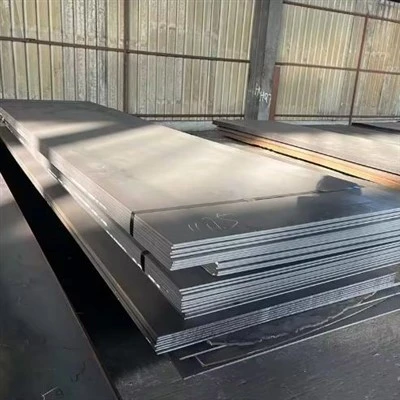
If you’re planning a Corten project—whether it’s a custom piece of metal art, a building facade, retaining walls, or outdoor furniture—and you want to make sure your investment is protected from scratches, we’re here to help. We supply high-quality Corten steel in standard and custom sizes, and we can walk you through every step of handling, transport, and protection, based on your specific project needs. Don’t let avoidable scratches ruin what could be the centerpiece of your next build or design. Reach out to us to discuss your project, and we’ll share more tips tailored to your use case, plus answer any questions you have about Corten care.
JIS Corten Steel References
- American Iron and Steel Institute. (2015). Weathering Steel: Properties, Applications, and Care. Steel Industry Technical Publication.
- Building Owners and Managers Association (BOMA) International. (2021). Architectural Metal Protection Guidelines: Corten Steel Best Practices for Construction and Maintenance.
- Metallurgy Society. (2019). Corrosion Behavior of Weathering Steels: Minimizing Surface Damage and Uneven Patina Formation. Journal of Industrial Materials Science.
- National Association of Landscape Professionals (NALP). (2022). Corten Steel Landscape Installation Guide: Handling, Storage, and Job Site Protection.
Gnee Steel (Tianjin) Co., Ltd.
As one of the most professional corten steel manufacturers and suppliers in China, we also support customized service with low price. We warmly welcome you to buy high quality corten steel in stock here from our factory. If you have any enquiry about free sample, please feel free to email us.
Address: No.4-1114, Beichen Building, Beicang Town, Beichen District, Tianjin, China
E-mail: alloy@gneesteelgroup.com
WebSite: https://www.chinavesselplates.com/
