Hey there! I’m a supplier of self-aligning roller bearings, and I’ve been in this game for quite a while. Over the years, I’ve seen firsthand how crucial it is to optimize the performance of these bearings. In this blog, I’m gonna share some tips and tricks that I’ve picked up along the way to help you get the most out of your self-aligning roller bearings. Self Aligning Roller Bearing
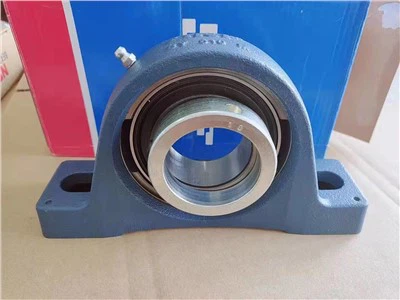
Understanding Self-Aligning Roller Bearings
Before we dive into the optimization part, let’s quickly go over what self-aligning roller bearings are. These bearings are designed to accommodate misalignment between the shaft and the housing. They have two rows of rollers and a common sphered raceway in the outer ring, which allows the bearing to self-align. This feature makes them ideal for applications where misalignment is likely to occur, such as in conveyor systems, paper mills, and mining equipment.
Proper Installation
One of the most important steps in optimizing the performance of self-aligning roller bearings is proper installation. A poorly installed bearing can lead to premature failure, increased wear, and reduced efficiency. Here are some key points to keep in mind during installation:
- Cleanliness: Make sure the shaft, housing, and bearing are clean before installation. Any dirt, debris, or contaminants can cause damage to the bearing surfaces.
- Fit: Ensure that the bearing has the correct fit on the shaft and in the housing. A too-tight fit can cause excessive stress on the bearing, while a too-loose fit can lead to vibration and misalignment.
- Alignment: Use proper alignment tools to ensure that the shaft and housing are properly aligned. Misalignment can cause uneven loading on the bearing, leading to premature wear.
- Lubrication: Apply the correct amount and type of lubricant to the bearing during installation. Lubrication helps reduce friction, prevent wear, and dissipate heat.
Lubrication
Lubrication is another critical factor in optimizing the performance of self-aligning roller bearings. The right lubricant can extend the life of the bearing, reduce friction, and prevent wear. Here are some tips for proper lubrication:
- Choose the right lubricant: The type of lubricant you choose depends on the application, operating conditions, and bearing size. Consult the bearing manufacturer’s recommendations to select the appropriate lubricant.
- Apply the right amount: Over-lubrication can cause excessive heat and energy loss, while under-lubrication can lead to increased wear and premature failure. Follow the manufacturer’s guidelines for the correct amount of lubricant.
- Regular lubrication: Establish a regular lubrication schedule based on the operating conditions and bearing manufacturer’s recommendations. Regular lubrication helps maintain the integrity of the lubricant film and prevents wear.
Maintenance and Inspection
Regular maintenance and inspection are essential for optimizing the performance of self-aligning roller bearings. By identifying and addressing potential issues early, you can prevent costly breakdowns and extend the life of the bearing. Here are some maintenance and inspection tips:
- Visual inspection: Regularly inspect the bearing for signs of wear, damage, or contamination. Look for cracks, pitting, discoloration, or excessive noise.
- Temperature monitoring: Monitor the bearing temperature during operation. An increase in temperature can indicate a problem, such as overloading, misalignment, or inadequate lubrication.
- Vibration analysis: Use vibration analysis to detect early signs of bearing wear or damage. Changes in vibration patterns can indicate problems with the bearing, such as misalignment, imbalance, or fatigue.
- Lubricant analysis: Periodically analyze the lubricant for signs of contamination, degradation, or wear particles. This can help you identify potential issues and take corrective action before they cause significant damage.
Operating Conditions
The operating conditions of the self-aligning roller bearing can have a significant impact on its performance. Here are some factors to consider:
- Load: Ensure that the bearing is rated for the load it will be subjected to. Overloading can cause premature wear and failure.
- Speed: The speed at which the bearing operates can affect its performance. Make sure the bearing is designed for the operating speed.
- Temperature: High temperatures can cause the lubricant to break down and reduce the bearing’s performance. Monitor the temperature and take appropriate measures to keep it within the recommended range.
- Environment: The environment in which the bearing operates can also affect its performance. Contaminants, moisture, and corrosive substances can cause damage to the bearing surfaces. Take steps to protect the bearing from these elements.
Conclusion

Optimizing the performance of self-aligning roller bearings is crucial for ensuring the reliability and efficiency of your equipment. By following the tips and tricks outlined in this blog, you can extend the life of your bearings, reduce maintenance costs, and improve overall productivity.
High-Temperature Bearing If you’re in the market for high-quality self-aligning roller bearings or need more information on how to optimize their performance, don’t hesitate to reach out. I’d be more than happy to help you find the right solution for your needs.
References
- "Rolling Bearing Technology" by SKF
- "Bearing Handbook" by Timken
- "Mechanical Design Handbook" by Robert C. Juvinall and Kurt M. Marshek
Jinan Rockway Import & Export Co., Ltd.
As one of the most professional self aligning roller bearing manufacturers and suppliers in China, we’re featured by quality products and competitive price. Please rest assured to buy high-grade self aligning roller bearing for sale here from our factory.
Address: Y2-17A05, Wanda Plaza, High-Tech Zone, Jinan City, Shandong Province
E-mail: xinshengw924@gmail.com
WebSite: https://www.haxb-bearings.com/
